
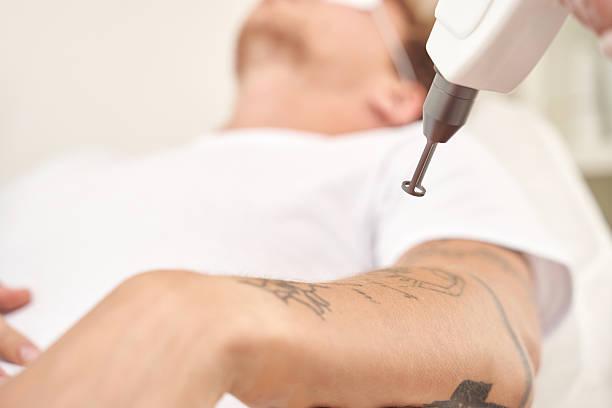
Laser tattoo removal can significantly fade unwanted tattoos, but understanding what the treatment can realistically achieve is important before beginning the process. Results vary from person to person because tattoos differ in pigment color, density, depth, size, and age. If you are considering Laser Tattoo Removal in Riyadh (إزالة الوشم بالليزر في الرياض), a professional assessment can help you understand the factors that may influence your individual response and set appropriate expectations.
Laser treatment works by delivering controlled pulses of energy that interact with tattoo pigments and break them into smaller particles. The body then gradually processes and clears these fragments. With Laser Tattoo Removal in Riyadh, this process takes place over time, meaning the tattoo generally fades progressively rather than disappearing immediately after a single appointment.
What Does a Realistic Result Look Like?
Gradual Tattoo Fading
The most important expectation is that tattoo removal is usually gradual. After each treatment, the body continues processing fragmented pigment, so visible fading can develop between sessions.
Some tattoos may become considerably lighter, while others may retain visible traces of pigment.
Complete Removal Is Not Guaranteed
Laser treatment can significantly reduce tattoo visibility, but complete removal cannot be promised. Residual pigment may remain depending on the tattoo's composition, depth, density, color, and individual skin response.
A consultation should focus on what is realistically achievable for the specific tattoo rather than guaranteeing a particular outcome.
What Factors Influence Tattoo Removal Results?
Tattoo Color
Different pigments absorb different wavelengths of laser energy. Dark pigments may respond differently from red, blue, green, yellow, and other colors.
Multicolored tattoos can therefore require different treatment approaches, and individual colors may fade at different rates.
Ink Density
A heavily saturated tattoo contains more pigment than a lightly shaded design. Dense areas may require a more gradual treatment process and can respond differently from lightly pigmented sections.
Pigment Depth
Ink deposited deeper in the skin can require additional treatment considerations. Tattoo pigment may also be distributed at different depths within the same design.
Tattoo Age
An older tattoo may have experienced some natural fading, but age alone does not determine treatment success. A faded tattoo can still contain resistant or deeply deposited pigment.
Tattoo Location
The treatment area can influence how the skin responds and how the body clears fragmented pigment. Location is therefore considered when developing an individualized treatment plan.
Skin Characteristics
Skin type and natural pigmentation are important when choosing laser settings. Appropriate treatment planning can help reduce the risk of unwanted pigment changes while targeting the tattoo.
Why Multiple Sessions May Be Necessary
One laser session generally cannot address all tattoo pigment at once. Ink can vary in color, depth, and density, while the body needs time to clear fragmented particles after treatment.
The skin also needs time to recover between sessions. As a result, treatment is usually performed through appropriately spaced appointments rather than repeated sessions in rapid succession.
The number of sessions varies considerably. A specialist can monitor the tattoo's response and determine whether and when additional treatment is appropriate.
What Happens Between Sessions?
Tattoo fading can continue after the appointment. Once the laser has fragmented the pigment, the body's natural processes gradually clear some of those particles.
During this period, proper aftercare remains important. Protect the treated area from excessive sun exposure, avoid picking or scratching, and follow the skincare instructions provided by your healthcare professional.
The appearance immediately after a session should not be considered the final result of that treatment.
Can Different Tattoo Colors Fade Unevenly?
Yes. Because different pigments interact differently with laser wavelengths, one color may fade more quickly than another.
For example, a multicolored tattoo may gradually lose some shades while other pigments remain more visible. This can temporarily create an uneven appearance as treatment progresses.
Your specialist can discuss this possibility before treatment so that you understand how the tattoo may change throughout the process.
What About Deep or Dense Tattoos?
Deep and densely pigmented tattoos can require a more gradual approach. The laser must interact with pigment while appropriate attention is given to the surrounding skin.
Professional tattoos, cover-ups, and heavily saturated designs may therefore respond differently from lightly shaded or naturally faded tattoos.
This does not automatically mean that a deep tattoo cannot be treated. It means that the treatment course should be individualized according to the tattoo's characteristics.
Can Partial Tattoo Removal Produce Realistic Results?
Partial removal may be considered when someone wants to eliminate only a specific part of a tattoo. However, the ability to create a clearly defined treated area depends on the tattoo's design and how closely the unwanted pigment sits beside the pigment the patient wants to retain.
Uneven fading can also occur as different areas respond at different rates. A consultation can help determine whether selective treatment is practical.
What Should You Expect From Your Skin?
Temporary redness, swelling, tenderness, sensitivity, blistering, or crusting can occur after laser treatment. These effects vary depending on the individual and treatment settings.
Most importantly, skin reactions should not be interpreted as proof that a specific final result will occur. Proper aftercare and professional monitoring are important throughout the process.
How Can You Support Realistic Results?
Follow Aftercare Instructions
Follow your healthcare professional's recommendations for cleaning, protecting, and caring for the treated area.
Protect the Skin From Sun Exposure
Excessive sun exposure can increase the risk of unwanted pigmentation changes in treated skin. Use appropriate protection according to professional guidance.
Avoid Picking or Scratching
Allow the skin to heal naturally if blistering or crusting occurs. Picking can interfere with recovery and increase the risk of complications.
Attend Follow-Up Appointments
Follow-up assessments allow the specialist to evaluate how your tattoo and skin are responding and determine whether additional treatment is appropriate.
Choosing Realistic Expectations Over Guaranteed Promises
Every tattoo has its own characteristics, so treatment outcomes cannot be predicted solely from photographs or general examples. A professional assessment is particularly important for tattoos with multiple colors, heavy pigment, previous cover-ups, or previous removal attempts.
With Laser Tattoo Removal in Riyadh, the goal is to develop a treatment approach based on your individual tattoo and skin rather than promising a fixed outcome.
Book Your Appointment at Royal Clinic Saudia
If you are considering tattoo removal, Royal Clinic Saudia (عيادات رويال كلينك) can assess your tattoo, skin characteristics, and treatment goals. A personalized consultation can help you understand the expected fading process, potential limitations, and appropriate aftercare.
FAQs:
Can laser tattoo removal guarantee complete removal?
No. Many tattoos can be significantly faded, but residual pigment may remain depending on several factors.
Why does tattoo removal take multiple sessions?
The laser fragments pigment, while the body gradually clears those particles. The skin also needs time to recover between treatments.
Can a tattoo become completely invisible?
Some tattoos may fade very substantially, but complete removal cannot be guaranteed for every tattoo.
Why do some tattoo colors fade differently?
Different pigments absorb laser wavelengths differently, so individual colors may respond at different rates.

 French
 Spanish
 Deutsch
 Turkish
 Italiano
 Russian