
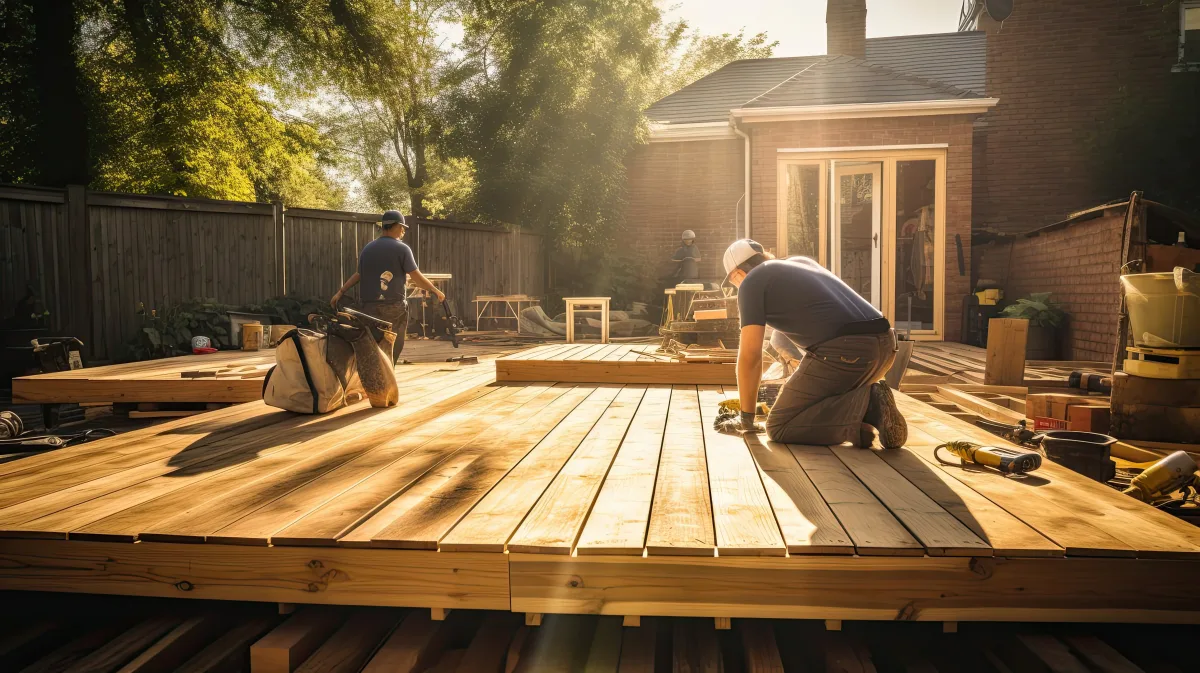
A well-built deck is more than an outdoor platform — it's an extension of your home, a gathering place for family and friends, and a long-term investment in your property's value. For homeowners across the Commonwealth, deck construction and restoration in Virginia has become an increasingly popular way to enhance both the beauty and functionality of a home. Whether you're planning a brand-new deck from the ground up or restoring an aging structure that has seen better days, understanding the process, materials, and local considerations is essential to getting it right.
At Platinum Service, we specialize in delivering high-quality craftsmanship for homeowners throughout Virginia. In this guide, we'll walk you through everything you need to know about deck construction and restoration, why it matters, and how to choose the right professionals for the job.
Why Deck Construction and Restoration Matters for Virginia Homeowners
Virginia's climate presents a unique set of challenges for outdoor structures. From humid summers to icy winters, freeze-thaw cycles, heavy rainfall, and intense UV exposure all take a toll on wood, composite, and metal decking materials over time. Without proper construction techniques and regular maintenance, even the sturdiest deck can develop structural issues, safety hazards, or unsightly wear.
That's why deck construction and restoration in Virginia isn't just a cosmetic consideration — it's a matter of safety, longevity, and smart homeownership. A properly constructed deck, built with the right materials and techniques suited to Virginia's environment, can last decades. Similarly, timely restoration can breathe new life into an older deck, saving homeowners the significant expense of a full rebuild while extending its usable life by years.
Beyond safety and longevity, a well-maintained deck significantly boosts curb appeal and resale value. Real estate experts consistently note that outdoor living spaces, including decks and patios, rank among the top features buyers look for. Investing in professional deck construction and restoration is, in many cases, one of the more cost-effective home improvements a Virginia homeowner can make.
Understanding Deck Construction: What Goes Into Building It Right
New deck construction involves far more than nailing boards together. A properly built deck requires careful planning, quality materials, and adherence to local building codes.
Site Assessment and Planning
Every successful project begins with a thorough site evaluation. This includes assessing soil conditions, drainage patterns, sun exposure, and the slope of the yard. In Virginia, where soil composition can vary from clay-heavy regions to sandy coastal areas, proper footing and foundation work is critical to prevent shifting or settling over time.
Material Selection
Choosing the right decking material is one of the most important decisions in the construction process. Common options include:
-
Pressure-treated wood – Affordable and widely used, though it requires regular sealing and maintenance to resist Virginia's humidity and moisture.
-
Cedar and redwood – Naturally resistant to rot and insects, offering a beautiful finish but at a higher price point.
-
Composite decking – Made from recycled wood fibers and plastic, composite materials resist fading, warping, and moisture damage, making them ideal for Virginia's variable weather.
-
PVC decking – A low-maintenance, moisture-resistant option that performs well in humid climates.
Structural Integrity and Code Compliance
Virginia's building codes require specific standards for footings, joist spacing, railing height, and load-bearing capacity. Professional deck builders ensure every component — from ledger board attachment to post spacing — meets or exceeds these requirements, protecting both the structure and the people who use it.
Permits and Inspections
Most Virginia localities require permits for new deck construction, particularly for structures above a certain height or attached to the home. Working with an experienced local contractor ensures your project stays compliant, avoiding costly fines or the need for rework down the line.
The Restoration Process: Reviving an Aging Deck
Not every deck needs to be torn down and rebuilt. In many cases, deck restoration is a smarter, more cost-effective solution that can dramatically improve both appearance and safety.
Inspecting for Damage
The restoration process begins with a comprehensive inspection. Trained professionals check for:
-
Rotting or soft wood, particularly around ledger boards and support posts
-
Loose, rusted, or corroded fasteners
-
Warped, cracked, or splintering boards
-
Structural instability in railings, stairs, or support beams
-
Signs of insect damage, including termites and carpenter ants
Repair and Replacement
Once damaged areas are identified, restoration typically involves replacing compromised boards, reinforcing structural supports, and addressing any code violations that may have developed since the deck was originally built. This step ensures the deck is not only visually restored but structurally sound.
Sanding, Staining, and Sealing
A key part of restoration is refinishing the surface. This involves sanding down weathered wood to remove splinters and discoloration, followed by applying a fresh stain or sealant. In Virginia's humid climate, a high-quality water-resistant sealant is essential to protect against moisture absorption, mold, and mildew growth.
Hardware and Fixture Upgrades
Restoration projects often present an opportunity to upgrade railings, lighting, and fasteners to more durable, modern materials — improving both safety and aesthetics.
Key Benefits of Professional Deck Construction and Restoration
Choosing a professional deck construction and restoration service offers advantages that go far beyond a fresh coat of stain:
-
Enhanced Safety – Professionals identify structural weaknesses that untrained eyes might miss, preventing accidents and costly liability issues.
-
Increased Property Value – A well-maintained or newly constructed deck can significantly boost resale value and curb appeal.
-
Extended Lifespan – Proper construction techniques and timely restoration can add 10-20 years to a deck's usable life.
-
Code Compliance – Licensed contractors ensure your deck meets Virginia's specific building requirements, avoiding legal or insurance complications.
-
Cost Savings – Restoration is typically far less expensive than a full rebuild, making it a smart investment for budget-conscious homeowners.
-
Improved Aesthetics – Fresh materials, updated finishes, and modern design elements can transform an outdated deck into a stunning outdoor living space.
Best Practices for Maintaining Your Deck Year-Round
Whether you've just completed a new construction project or invested in restoration, ongoing maintenance is essential to protect your investment:
-
Clean regularly – Sweep away debris and wash the surface periodically to prevent mold, mildew, and staining.
-
Reseal annually or biennially – Virginia's humidity and seasonal rainfall make regular sealing critical to prevent water damage.
-
Inspect fasteners and hardware – Check for rust, corrosion, or loosening at least once a year.
-
Trim nearby vegetation – Overhanging branches and close-growing plants can trap moisture against the deck surface.
-
Address minor issues promptly – Small cracks or loose boards can quickly become larger structural problems if ignored.
How to Choose the Right Deck Construction and Restoration Service in Virginia
Selecting the right contractor is one of the most important decisions in the entire process. Here's what to look for:
-
Licensing and insurance – Always verify that a company is properly licensed to work in Virginia and carries adequate liability insurance.
-
Local experience – A contractor familiar with Virginia's climate, soil conditions, and building codes will deliver more reliable, long-lasting results.
-
Portfolio and references – Ask to see examples of completed projects and speak with previous clients about their experience.
-
Transparent pricing – Reputable companies provide detailed, written estimates with no hidden fees.
-
Warranty offerings – A confident contractor will stand behind their work with a solid warranty on materials and labor.
At Platinum Service, our team brings years of hands-on experience delivering exceptional deck construction and restoration service to homeowners across Virginia. We combine quality craftsmanship with a deep understanding of local building requirements to ensure every project is built to last.
Conclusion
Whether you're building a brand-new outdoor living space or restoring a deck that's showing its age, investing in professional deck construction and restoration in Virginia pays dividends in safety, beauty, and long-term value. From selecting the right materials to ensuring code compliance and ongoing maintenance, every step matters when it comes to creating a deck that will serve your family for years to come. If your deck is due for an upgrade or you're ready to start planning a new outdoor space, Platinum Service is here to help.
FAQs
How much does deck construction cost in Virginia?
Costs vary widely based on size, materials, and design complexity, but homeowners typically invest a few thousand dollars for a basic wood deck, with composite or custom designs costing more. A professional consultation provides the most accurate estimate for your specific project.
How do I know if my deck needs restoration instead of replacement?
If the core structural framework — posts, beams, and joists — remains solid and free of significant rot, restoration is often a viable and cost-effective option. A professional inspection can determine whether repair or full replacement is the better choice.
How long does a deck restoration project typically take?
Most restoration projects, including inspection, repairs, sanding, and sealing, can be completed within a few days to a week, depending on the deck's size and condition.
Do I need a permit to build or restore a deck in Virginia?
Many Virginia localities require permits for new deck construction, especially for elevated or attached structures. Restoration work involving structural changes may also require permits. A licensed contractor can help navigate local requirements.
How often should I reseal my deck?
In Virginia's humid climate, most decks benefit from resealing every one to two years to protect against moisture damage, fading, and mildew growth.
What is the best decking material for Virginia's climate?
Composite and PVC decking tend to perform exceptionally well due to their resistance to moisture, humidity, and temperature fluctuations, though properly maintained wood decks also offer excellent durability and natural beauty.

 English
 Spanish
 Deutsch
 Turkish
 Italiano
 Russian