
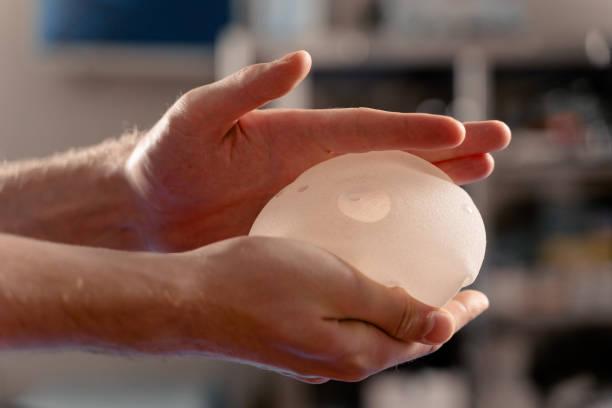
Silicone breast implants can provide long-lasting breast enhancement, but monitoring them over time is an important part of responsible implant care. Even when implants are functioning normally, breast appearance and surrounding tissues can change because of aging, pregnancy, breastfeeding, weight fluctuations, and other factors. If you have undergone or are considering a breast implants cost Riyadh, understanding long-term monitoring can help you recognize changes early and maintain appropriate follow-up care.
Why Long-Term Implant Monitoring Matters
Breast implants are not considered lifetime devices. Although many implants remain intact for years, complications such as rupture, capsular contracture, implant movement, or changes in breast tissue can occur.
Regular monitoring allows you and your healthcare provider to assess the condition of the implants and surrounding breast tissue. It also provides an opportunity to address changes in breast shape, discomfort, or other symptoms.
Pay Attention to Changes in Your Breasts
One of the simplest ways to monitor your implants is to become familiar with how your breasts normally look and feel after recovery.
Changes in Shape or Size
Contact your healthcare provider if you notice a new or persistent change in breast size, shape, position, or symmetry. A sudden change can sometimes indicate an implant-related problem or another breast condition.
Changes in Firmness
An increase in firmness may be associated with capsular contracture, which occurs when scar tissue surrounding an implant becomes unusually tight. Changes in firmness should be evaluated rather than assumed to be normal.
Understand the Signs of Possible Implant Rupture
Silicone implant rupture does not always produce obvious symptoms. This is sometimes referred to as a silent rupture. Other patients may notice changes such as altered breast shape, firmness, swelling, discomfort, or a lump around the implant.
Because symptoms are not always reliable, appropriate imaging can be important when implant integrity needs to be evaluated.
Follow Recommended Imaging
Imaging can help detect problems that cannot be identified through physical examination alone. For silicone implants, ultrasound or MRI may be used to evaluate implant integrity when clinically appropriate.
Ultrasound
Ultrasound can provide information about the implant and surrounding tissues and may be used as an initial imaging option in certain situations.
MRI
MRI can provide detailed images and may be recommended when there is concern about a silicone implant rupture or when ultrasound findings are inconclusive.
Your healthcare provider can recommend an imaging schedule based on your individual circumstances and current medical guidance.
Keep Regular Follow-Up Appointments
Follow-up appointments are important even when you feel that everything is normal. Your surgeon can assess breast appearance, implant position, surrounding tissue, and any symptoms you may have noticed.
During appointments, mention any new pain, swelling, firmness, asymmetry, or changes in sensation. Keeping a record of your surgical history and implant information can also make future evaluations easier.
Monitor for Capsular Contracture
Capsular contracture is one potential long-term complication of breast implants. It occurs when the scar tissue surrounding the implant becomes excessively firm or contracts.
Possible signs include increasing firmness, discomfort, a change in breast shape, or an implant that appears higher or more distorted than before. If these changes occur, a medical assessment can determine whether treatment is necessary.
Watch for Implant Movement or Position Changes
Implants can sometimes shift from their original position. Changes in breast position can become more noticeable after weight changes, aging, pregnancy, or changes in skin elasticity.
If one breast suddenly appears higher, lower, farther to one side, or otherwise different from its previous appearance, discuss the change with your surgeon.
Continue Routine Breast Health Screening
Having breast implants does not eliminate the need for routine breast health care. Continue recommended breast examinations and age-appropriate screening according to your healthcare provider's advice.
Tell the imaging facility that you have breast implants before undergoing a mammogram or other breast imaging. Specialized techniques may be used to obtain appropriate images while taking the implants into consideration.
Know When to Contact Your Surgeon
Some changes require prompt medical attention. Contact your healthcare provider if you develop:
- Sudden or persistent breast swelling
- New or worsening pain
- Significant changes in breast shape
- Increasing firmness
- A new lump or mass
- Persistent redness or warmth
- Unusual fluid or drainage
- Noticeable implant displacement
For severe symptoms such as difficulty breathing or significant chest pain, seek urgent medical attention.
Maintain Your Implant Information
Keep records of your implant manufacturer, model, size, placement, surgery date, and any relevant documentation provided by your surgical team. This information can be useful if you move, change healthcare providers, or require imaging or revision surgery in the future.
Understanding your implant type can also help your healthcare provider determine the most appropriate monitoring approach.
How Lifestyle Changes Can Affect Your Results
Implants themselves may remain unchanged while the natural breast tissue around them changes. Pregnancy, breastfeeding, substantial weight loss or gain, aging, and hormonal changes can affect breast volume and skin elasticity.
These changes do not necessarily mean that an implant has failed. However, noticeable changes in appearance should still be discussed with a qualified healthcare professional.
When Might Implant Replacement or Revision Be Considered?
There is no universal expiration date at which every silicone implant must automatically be replaced. Some implants remain in good condition for many years, while others may require removal or replacement because of rupture, capsular contracture, displacement, aesthetic changes, or patient preference.
A decision about revision should be based on the individual's implant condition, symptoms, breast changes, and medical assessment.
For patients with a Silicone Breast Implant in Riyadh, maintaining long-term communication with a qualified surgical team can help ensure that changes are evaluated appropriately rather than overlooked.
Why Personalized Monitoring Is Important
Every patient has different anatomy, implant characteristics, medical history, and lifestyle factors. Therefore, monitoring should be individualized rather than based on a single schedule that applies to everyone.
Regular clinical assessments, awareness of changes, appropriate imaging when recommended, and routine breast health screening all contribute to responsible long-term implant care.
Book an Appointment at Royal Clinic Saudia
If you have silicone breast implants and want to discuss long-term monitoring, implant concerns, or changes in breast appearance, book a consultation with Royal Clinic Saudia. A personalized evaluation can help determine whether additional examination or imaging is appropriate for your situation.
FAQs:
How often should silicone breast implants be checked?
Follow-up schedules vary. Your healthcare provider can recommend clinical examinations and imaging based on your implant type, symptoms, and individual circumstances.
Can a silicone implant rupture without symptoms?
Yes. Some silicone implant ruptures can be silent, which is why appropriate imaging may be useful when implant integrity needs to be assessed.
What changes should I report after breast implant surgery?
Report new or persistent pain, swelling, firmness, changes in breast shape, asymmetry, lumps, or noticeable implant movement to your healthcare provider.
Do silicone breast implants need to be replaced after a certain number of years?
Not automatically. Implants are not lifetime devices, but replacement is generally considered based on complications, implant condition, breast changes, or the patient's preferences.

 French
 Spanish
 Deutsch
 Turkish
 Italiano
 Russian