
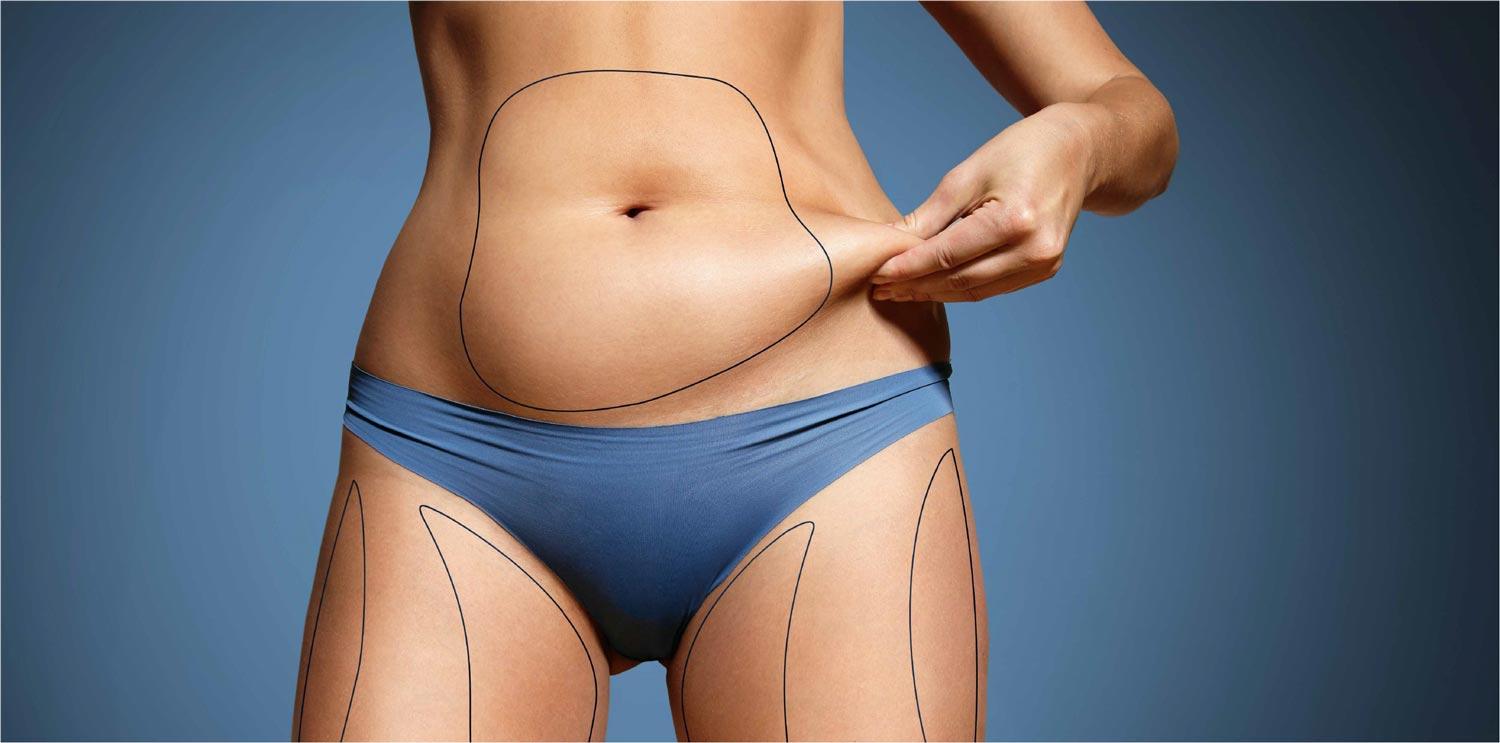
Changes in the abdominal area can occur for many different reasons. Weight fluctuations, pregnancy, ageing, changes in skin elasticity, and alterations in the underlying abdominal wall can all affect the appearance and structure of the abdomen. While exercise and healthy lifestyle habits can support overall body composition, they may not address every type of abdominal concern.
Abdominoplasty, commonly known as a tummy tuck, is a surgical procedure designed to reshape and restructure the abdominal area. The procedure can involve removal of excess skin, tightening of selected abdominal tissues, and repositioning of the navel when required by the surgical plan.
For people researching Abdominoplasty Dubai, understanding which abdominal concerns the procedure can address is an important part of learning about the treatment. Rather than focusing on a single feature, abdominoplasty considers the overall abdominal contour and the relationship between the skin, underlying tissues, and abdominal wall.
Dr. Shahram Sajjadi is a plastic surgeon associated with abdominoplasty procedures in Dubai. A personalised consultation can help determine which abdominal concerns are relevant to an individual's anatomy and whether a tummy tuck approach is appropriate.
What Is Abdominoplasty?
Abdominoplasty is a surgical procedure that reshapes the abdomen by addressing excess skin and, when appropriate, the underlying abdominal tissues.
The procedure is different from weight-loss surgery. Its primary purpose is to improve the contour and structure of the abdominal area rather than provide a method for significant weight reduction.
During treatment planning, the surgeon evaluates the amount and distribution of excess skin, the condition of the abdominal wall, the position of the navel, and the overall shape of the abdomen.
Based on this assessment, the surgical approach can be selected to address the patient's particular concerns.
What Excess Abdominal Skin Can Abdominoplasty Address?
One of the most common concerns addressed by abdominoplasty is excess skin around the abdomen.
Skin can become stretched following pregnancy or significant changes in body size. When skin has lost some of its elasticity, it may remain loose even after weight has stabilised.
A tummy tuck can remove a planned amount of excess abdominal skin and reshape the remaining tissue.
The extent of skin removal varies between patients. Some individuals may have excess skin primarily below the navel, while others may have more extensive laxity involving a larger portion of the abdomen.
The surgeon assesses the distribution of the loose skin before deciding how much tissue should be addressed.
Can Abdominoplasty Address a Protruding Abdomen?
A protruding abdominal appearance can have several contributing factors. Excess skin and fat may contribute to the contour, while changes in the abdominal wall can also influence the appearance.
Abdominoplasty can address selected structural concerns involving the abdominal wall when these are identified during assessment.
In appropriate cases, the surgeon may tighten separated or weakened abdominal muscles as part of the procedure. This can help create a firmer abdominal contour and improve the relationship between the abdominal wall and overlying skin.
The specific technique depends on the individual's anatomy and the findings made during consultation.
Can Abdominoplasty Address Abdominal Muscle Separation?
Pregnancy and substantial changes in abdominal dimensions can contribute to separation of the abdominal muscles, commonly referred to as diastasis recti.
When abdominal muscle separation is present and suitable for surgical correction, abdominoplasty may incorporate repair of the abdominal wall.
The surgeon evaluates the abdominal muscles during the planning process and determines whether tightening or repair should form part of the procedure.
This is an important distinction because the treatment is not necessarily limited to removing skin. For selected patients, restructuring the abdominal wall can be an important part of creating the desired abdominal contour.
What Role Does Excess Fat Play in Abdominoplasty?
Abdominoplasty is not primarily a fat-removal procedure, but excess localised fat can sometimes be considered during treatment planning.
If a patient has a combination of excess skin and localised abdominal fat, the surgeon may evaluate whether liposuction or another contouring technique can be incorporated into the overall surgical strategy.
The decision depends on the patient's anatomy, skin quality, fat distribution, and desired contour.
This is why a personalised consultation is important. The appropriate treatment may involve abdominoplasty alone or a combination of body-contouring techniques.
Can Abdominoplasty Address Stretch Marks?
Stretch marks, medically known as striae, can develop when the skin stretches significantly over time.
Whether abdominoplasty can improve their appearance depends largely on where the stretch marks are located.
If stretch-marked skin is included within the area of skin removed during surgery, those particular marks may be removed along with the excess tissue. Stretch marks located outside the planned excision area will generally remain.
Therefore, the ability of abdominoplasty to address stretch marks depends on their location and the amount of excess skin being removed.
Can a Tummy Tuck Improve Lower Abdominal Skin Laxity?
Lower abdominal skin laxity is another concern that may be addressed through abdominoplasty.
Some individuals have loose or folded skin concentrated below the belly button. Depending on the amount of laxity and the position of the excess tissue, the surgeon may recommend a full tummy tuck or a more limited approach.
The treatment plan is determined after evaluating how much skin needs to be removed and whether the abdominal wall also requires attention.
The objective is to create a smoother and more proportionate transition between the abdomen and surrounding body areas.
What Is the Difference Between Full and Mini Abdominoplasty?
Not every patient requires the same extent of abdominal surgery.
A full abdominoplasty generally addresses a larger area of the abdomen and may involve both upper and lower abdominal skin, abdominal wall tightening, and repositioning of the navel.
A mini abdominoplasty is generally considered when the primary concern is concentrated in the lower abdomen and the amount of excess skin is more limited.
The distinction is not based solely on preference. The surgeon considers the location of excess tissue, abdominal wall characteristics, the position of the navel, and the desired changes before recommending an approach.
How Does Pregnancy Influence Abdominal Concerns?
Pregnancy can significantly change the abdominal area. As the abdomen expands, the skin stretches and the abdominal wall may change.
After pregnancy, some individuals may notice loose skin, altered abdominal contour, muscle separation, or changes around the lower abdomen.
Abdominoplasty can be considered when these changes persist after pregnancy and the patient is looking for surgical abdominal reshaping.
During consultation, the surgeon can assess the skin and abdominal wall and determine which aspects can be incorporated into the treatment plan.
Can Abdominoplasty Improve the Shape of the Waist?
Although abdominoplasty primarily focuses on the abdomen, reshaping the abdominal tissues can influence the overall waist contour.
When excess skin is removed and the abdominal wall is appropriately addressed, the transition between the abdomen and waist can become more defined.
However, the degree of waist contouring depends on individual anatomy and the surgical technique selected.
In some cases, additional body-contouring techniques may be considered to address adjacent areas and create a more comprehensive treatment strategy.
How Is the Appropriate Abdominoplasty Approach Selected?
Choosing the right approach requires more than identifying whether a patient has excess abdominal skin.
The surgeon may consider:
- The quantity and location of excess skin
- Skin elasticity
- Abdominal muscle condition
- Distribution of localised fat
- Position of the navel
- Previous abdominal procedures
- Pregnancy-related changes
- Overall body proportions
- The patient's desired abdominal contour
These factors help determine whether a full abdominoplasty, mini abdominoplasty, or another body-contouring approach is more appropriate.
This personalised process is particularly important for patients searching for the Best abdominoplasty Dubai, as the quality of treatment planning is an essential part of selecting a suitable surgical approach.
Why Is Individualised Planning Important?
Every abdomen has a different structure. Two patients may have a similar amount of excess skin but require different surgical approaches because of differences in abdominal wall structure, skin elasticity, body proportions, or the location of excess tissue.
An individualised treatment plan allows the surgeon to focus on the specific anatomical features contributing to the patient's concerns.
The consultation also gives the patient an opportunity to discuss the areas they would like to improve and understand how the proposed procedure would address them.
The Role of Dr. Shahram Sajjadi
Dr. Shahram Sajjadi is a plastic surgeon associated with body-contouring procedures including abdominoplasty in Dubai.
For individuals considering Abdominoplasty Dubai, a consultation with Dr. Shahram Sajjadi can provide an opportunity to discuss the abdominal areas they would like to address and understand which surgical approach may be appropriate for their anatomy.
The treatment plan can then be developed around the individual's abdominal structure and desired contour rather than relying on a standard approach.
What Should Patients Discuss During Consultation?
Patients can prepare for a consultation by identifying the abdominal features they would most like to change.
These may include loose skin, lower abdominal fullness, changes following pregnancy, abdominal wall separation, stretch marks, or an overall lack of abdominal definition.
It can also be helpful to discuss whether the desired change is primarily focused on the lower abdomen or involves the entire abdominal area.
A detailed conversation allows the surgeon to understand the patient's priorities and incorporate them into the treatment plan.
Conclusion
Abdominoplasty Dubai is a personalised surgical approach designed to address selected concerns involving the abdominal skin, contour, and underlying abdominal wall. Depending on individual anatomy, surgery may address excess skin, lower abdominal laxity, abdominal muscle separation, selected stretch marks, and aspects of abdominal contour.
The procedure can be performed through different approaches, including full and mini abdominoplasty, depending on where the excess tissue and structural concerns are located.
For those researching the Best abdominoplasty Dubai, the most important step is understanding that the appropriate treatment plan depends on individual anatomy and objectives. Dr. Shahram Sajjadi can assess these factors during consultation and determine which approach is appropriate for the patient's abdominal concerns.
Ultimately, abdominoplasty is not simply about removing excess skin. It is a structured body-contouring procedure in which the surgeon considers the skin, abdominal wall, proportions, and overall contour to develop an approach tailored to the individual.
Frequently Asked Questions
What abdominal concerns can abdominoplasty address?
Abdominoplasty can address selected concerns such as excess abdominal skin, lower abdominal laxity, abdominal wall changes, muscle separation, and certain stretch marks located within the area of skin being removed.
Is abdominoplasty a weight-loss procedure?
No. Abdominoplasty is primarily a body-contouring procedure. It is designed to reshape the abdominal area rather than serve as a treatment for significant weight loss.
Can abdominoplasty address loose skin after pregnancy?
Yes. Abdominoplasty may be considered for loose abdominal skin that remains after pregnancy. The surgeon can also assess changes in the abdominal wall when developing the treatment plan.
Can abdominoplasty correct abdominal muscle separation?
When appropriate, abdominal muscle separation can be addressed as part of abdominoplasty. The surgeon evaluates the abdominal wall and determines whether muscle repair should be incorporated.
Can a tummy tuck remove stretch marks?
Stretch marks located within the skin planned for removal may be removed along with that tissue. Stretch marks outside the surgical area generally remain.
What is the difference between full and mini abdominoplasty?
A full abdominoplasty generally addresses a larger portion of the abdominal area and may involve abdominal wall tightening and navel repositioning. A mini abdominoplasty is generally used when concerns are concentrated in the lower abdomen.
Can abdominoplasty address abdominal fat?
Abdominoplasty primarily addresses excess skin and abdominal contour. When appropriate, liposuction or another contouring technique may be considered alongside surgery for selected areas of localised fat.
How is the right abdominoplasty technique selected?
The surgeon considers the amount and location of excess skin, abdominal wall condition, skin elasticity, navel position, body proportions, and the patient's desired changes before selecting an approach.
Can abdominoplasty improve waist definition?
Reshaping the abdominal tissues can influence the appearance of the waist and create a more defined transition between the abdomen and surrounding areas. The degree of change depends on individual anatomy.
Who can discuss Abdominoplasty Dubai with patients?
Dr. Shahram Sajjadi is associated with abdominoplasty procedures in Dubai. A consultation can help patients understand which abdominal concerns can be addressed and which surgical approach may suit their individual anatomy.

 French
 Spanish
 Deutsch
 Turkish
 Italiano
 Russian