
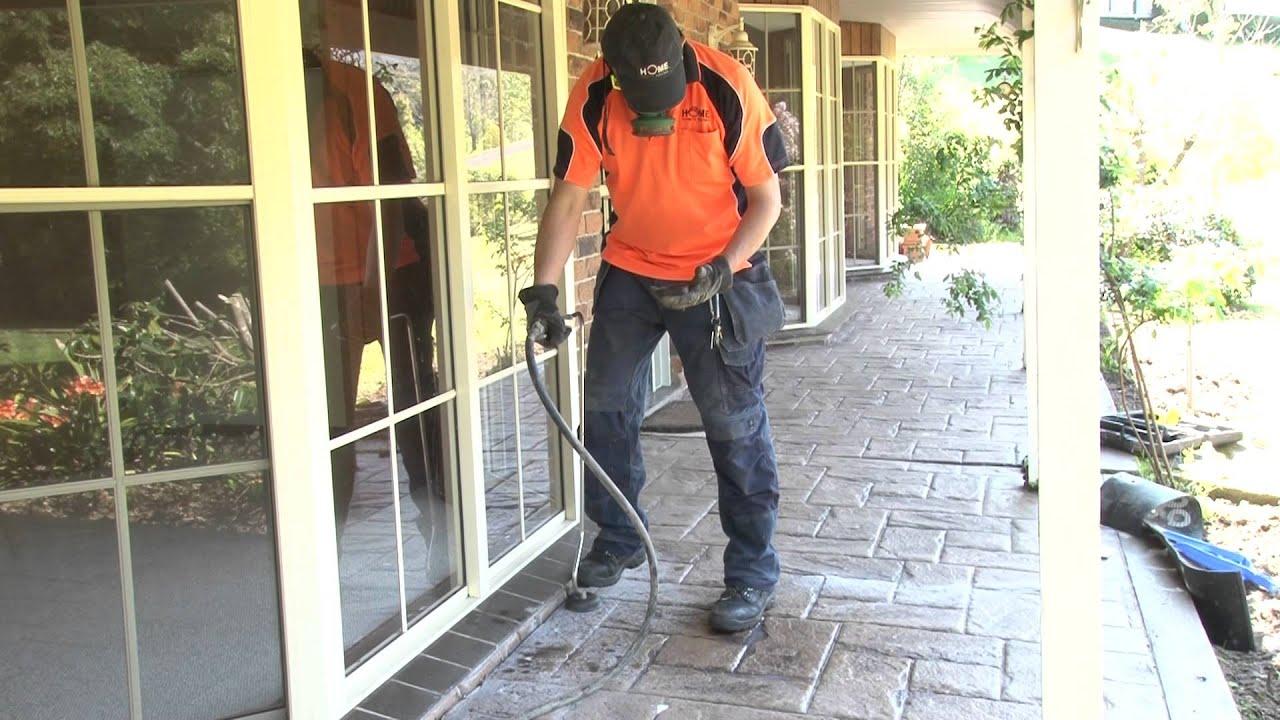
Termites can remain hidden inside walls, floors, crawl spaces, and wooden structural components for extended periods. By the time visible signs appear, damage may already have developed. Regular inspections, moisture management, early treatment, and professional monitoring can help homeowners identify termite activity sooner and protect their property from costly structural problems.
Recognize Early Warning Signs
Termite activity can appear in several forms. Homeowners may notice discarded wings near windows, mud tubes around foundations, damaged wood, bubbling paint, or doors and windows that suddenly become difficult to operate.
These signs do not always confirm an active infestation, but they should not be ignored. A professional inspection can determine whether termites are present and whether additional investigation is necessary.
Understand Local Conditions
Raleigh's climate and housing conditions can create favorable circumstances for subterranean termites. Local pest specialists note that humidity, soil conditions, crawl spaces, and different types of residential construction can influence termite activity.
Because termite colonies can remain concealed, homeowners should avoid relying only on visible evidence. Routine inspections can provide an opportunity to identify activity before extensive damage develops.
Inspect Vulnerable Areas
Certain parts of a home deserve particular attention. Crawl spaces, foundation lines, wooden framing, decks, porches, garages, and areas with moisture problems can provide potential access points or favorable conditions.
Inspectors should look for mud tubes, damaged wood, moisture concerns, and other evidence of activity. A detailed evaluation can help determine the extent of the problem and the appropriate next step.
Address Moisture Problems
Moisture management is an important part of termite prevention. Leaking plumbing, poor drainage, clogged gutters, standing water, and excessive moisture around foundations can create conditions that attract or support pest activity.
Homeowners should correct water problems promptly and keep crawl spaces and other vulnerable areas appropriately maintained. Reducing unnecessary moisture can complement professional termite-control measures.
Protect Wooden Structures
Wood that remains close to soil or consistently exposed to moisture can be particularly vulnerable. Decks, fences, porch structures, and other exterior wooden elements should be inspected periodically for deterioration.
Keeping wood properly maintained and minimizing direct contact with soil where appropriate can make the property less attractive to termites. Professional advice can help homeowners identify structural areas that need improvement.
Arrange Professional Treatment
Residential Termite Removal Services Raleigh NC can help homeowners address active termite infestations through inspection, treatment, monitoring, and preventive strategies. Raleigh pest-control providers offer different approaches depending on the termite species, property construction, infestation level, and surrounding conditions.
Treatment options may include liquid barriers, baiting systems, targeted applications, or other professional methods. The appropriate approach should be determined after evaluating the property rather than applying the same treatment to every home.
Choose Experienced Specialists
Termirte Exterminators Sevices can provide professional inspections and treatment designed around the specific conditions of a property. Raleigh-area pest companies offer termite inspections, control programs, bait monitoring, and other services for residential properties.
When comparing providers, homeowners should consider experience, licensing, treatment methods, warranties, inspection procedures, and the company's approach to follow-up monitoring.
Consider Preventive Monitoring
Termite control does not always end after an initial treatment. Ongoing monitoring can help identify renewed activity and provide an opportunity for early intervention.
Some pest-control programs use bait stations or scheduled inspections to monitor termite activity around a property. Professional providers in Raleigh advertise both baiting and monitoring options.
Inspect After Treatment
After treatment, homeowners should continue watching for unusual signs. New mud tubes, discarded wings, damaged wood, or other suspicious evidence should be reported to the pest professional.
Following the provider's recommendations regarding inspections and maintenance can help support long-term protection. Homeowners should also address environmental conditions that may contribute to recurring activity.
Protect the Property During Renovations
Construction and remodeling projects can sometimes expose previously hidden areas of a home. Before covering crawl spaces, replacing damaged flooring, or closing walls, homeowners should inspect accessible areas for evidence of termites or moisture.
Addressing pest concerns before completing renovation work can prevent problems from becoming concealed behind new finishes.
Keep Records of Treatment
Maintain copies of inspection reports, treatment documentation, warranties, monitoring records, and follow-up recommendations. These records can be valuable when scheduling future inspections or discussing property history with professionals.
Documentation may also be useful when selling a home or responding to questions about previous termite treatment.
Maintain Long-Term Protection
Effective termite management combines early detection, professional treatment, moisture control, property maintenance, and continued monitoring. No single preventive measure guarantees that termites will never return, so consistent attention remains important.
By inspecting vulnerable areas, correcting moisture problems, arranging professional evaluations, and following recommended treatment plans, Raleigh homeowners can take practical steps toward protecting their homes from termite damage.

 English
 French
 Spanish
 Deutsch
 Turkish
 Russian