
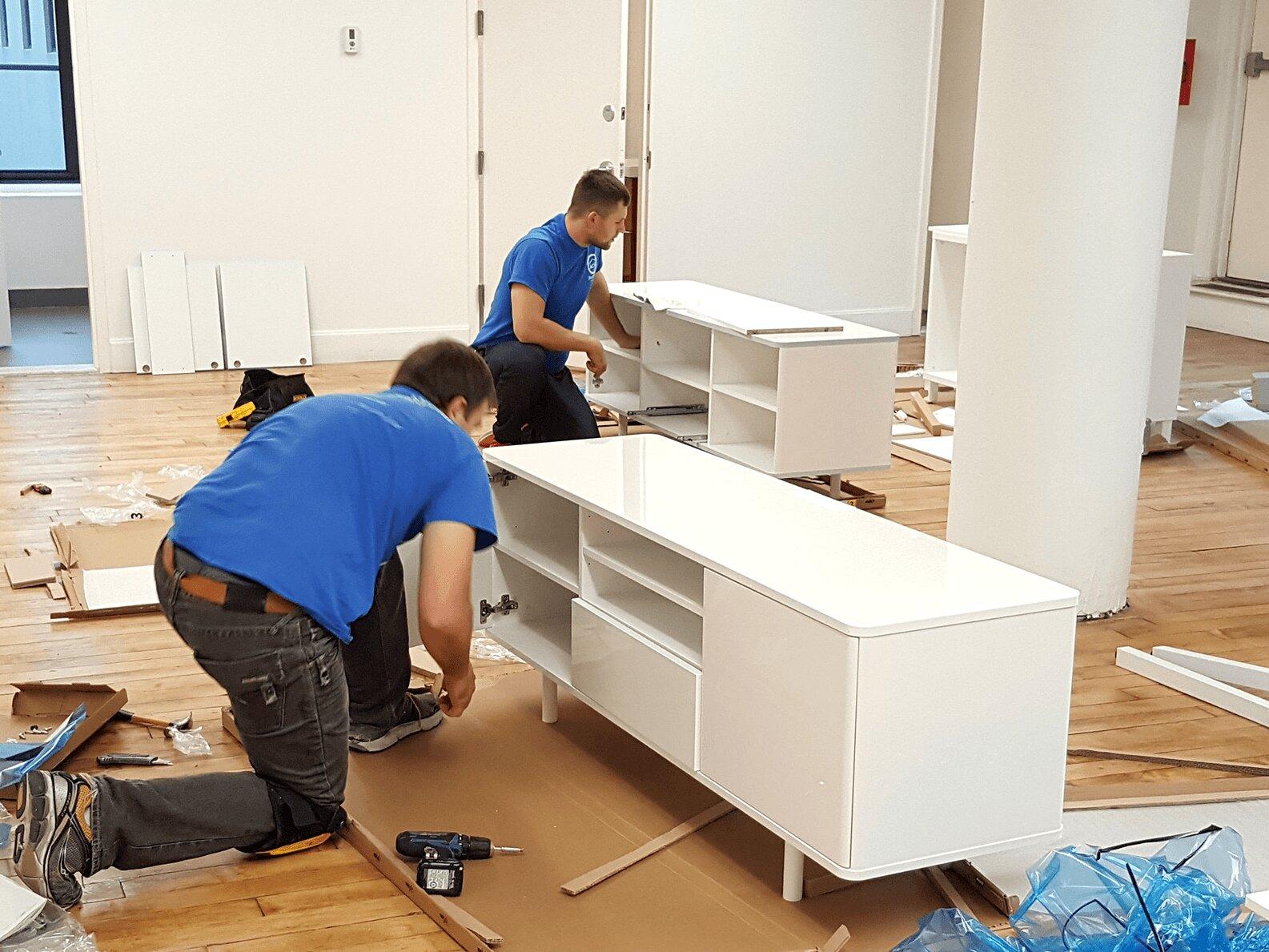
Moving large furniture can be one of the more challenging parts of relocating. Beds, wardrobes, desks, cabinets, tables, and other bulky pieces may not fit easily through narrow doors, stairways, hallways, or elevators. Proper preparation can make transportation safer while reducing the possibility of scratches, broken components, or damage to the property.
Assess Furniture Before Moving
Before taking anything apart, determine which pieces actually need disassembly. Some smaller items can be moved safely as they are, while large or unusually shaped furniture may need to be separated into manageable sections.
Measure bulky furniture and compare those dimensions with doorways, staircases, hallways, and other access points. Planning this step early can prevent unnecessary problems on moving day.
Keep Hardware Organized
Furniture often contains numerous screws, bolts, brackets, dowels, and other small components. Losing even one important piece can make reassembly difficult.
Keep related hardware together in labeled bags or containers. Attaching a label to each furniture piece can also make it easier to identify which hardware belongs to which item once everything arrives at the new property.
Protect Individual Components
Once furniture has been separated, each component should be protected according to its material and shape. Wooden panels can be vulnerable to scratches, while glass shelves and mirrors require additional care.
Professional movers commonly use blankets, stretch wrap, cardboard, and other protective materials to reduce the chance of damage during transportation.
Take Photographs Before Disassembly
Taking photographs before removing components can provide a useful visual reference during reassembly. Capture connections, brackets, cable placements, and unusual fittings from several angles.
This can be particularly helpful for complicated desks, wardrobes, entertainment centers, beds, and modular furniture. Photos can supplement labels and written notes when the furniture is being reconstructed.
Protect the Home
Furniture preparation is not only about protecting the furniture itself. Large pieces can scrape walls, damage flooring, or strike door frames while being carried through the property.
Clearing pathways and using suitable floor and surface protection can reduce these risks. Professional crews may also use moving blankets and protective equipment while transporting larger belongings.
Consider Professional Assistance
Furniture Disassembly Triangle VA can help homeowners prepare bulky household items for transportation by separating suitable pieces into manageable components. Professional movers serving Triangle and surrounding Northern Virginia communities advertise furniture disassembly and reassembly as part of their moving services.
Professional assistance can be particularly useful when furniture has complicated fasteners, delicate surfaces, heavy components, or unusual construction.
Handle Heavy Furniture Carefully
Some furniture should not be handled by one person. Large wardrobes, solid-wood cabinets, oversized desks, and other heavy pieces can create lifting and maneuvering challenges.
A moving crew can use appropriate equipment and coordinated lifting techniques. Professional furniture movers also have experience determining how pieces should be positioned and protected during transportation.
Prepare Specialty Furniture
Antique furniture, designer pieces, glass cabinets, reclining furniture, and modular systems may require additional planning. Their construction can differ significantly from standard household furniture.
Inform the moving company about unusual or valuable pieces before the move. This gives the crew an opportunity to determine whether specialized tools, packing materials, or additional workers will be needed.
Choose Experienced Movers
A Professional Moving Company can coordinate furniture preparation with packing, loading, transportation, unloading, and reassembly. Moving providers serving Triangle and Northern Virginia offer services that combine furniture handling with broader relocation support.
When comparing movers, homeowners should ask whether disassembly and reassembly are included, how furniture is protected, and whether additional charges apply to oversized or particularly complicated items.
Plan the New Layout
Knowing where furniture will go at the destination can make reassembly much easier. Create a basic room plan before moving day and label boxes or furniture components according to their intended locations.
This can prevent assembled furniture from being placed in the wrong room and later requiring another round of heavy lifting.
Reassemble With Care
After transportation, inspect each component before putting furniture back together. Check for damage, confirm that all hardware is available, and follow the original assembly sequence.
Furniture should be assembled on an appropriate surface and checked for stability before it is used. Loose connections can affect both functionality and safety.
Maintain a Moving Inventory
Keeping a simple inventory of disassembled furniture can make the entire relocation more organized. Record the furniture name, number of components, hardware container, and destination room.
This is especially useful during larger household moves where numerous pieces are being dismantled and transported at the same time.
Make Furniture Moving Easier
Furniture disassembly can save space, simplify access, and make bulky items easier to handle when completed correctly. However, rushing the process or using improper tools can cause avoidable damage.
With organized hardware, careful protection, proper measurements, and experienced moving assistance, Triangle homeowners can make furniture preparation more efficient and help ensure that their belongings arrive ready for the next stage of the move.

 English
 French
 Deutsch
 Turkish
 Italiano
 Russian