
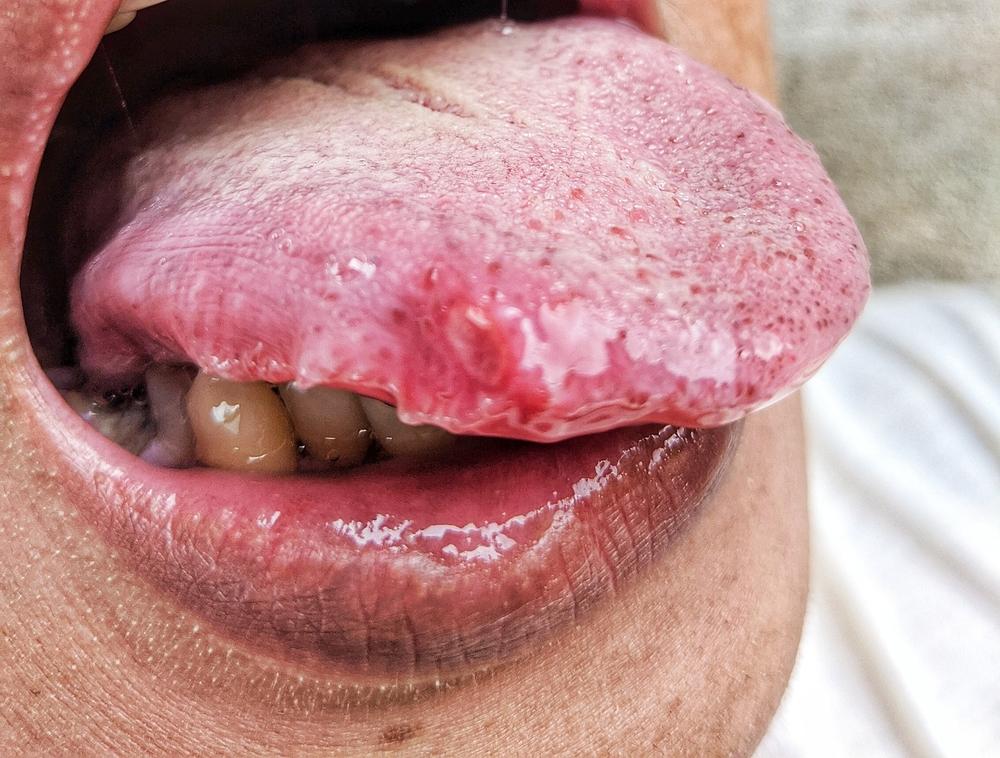
Warts on the tongue can be surprising and sometimes concerning, especially if you’ve never experienced them before. These small growths are usually harmless but may cause discomfort depending on their size and location. Understanding their causes, symptoms, and treatment options is essential for proper care. If you want a deeper look at the types of warts that appear on the tongue, you can explore this detailed resource:
In this guide, we’ll cover everything you need to know about tongue warts, including why they occur, how they look, and the most effective ways to manage and treat them.
What Are Tongue Warts?
Tongue warts are non-cancerous growths caused by certain strains of the human papillomavirus (HPV). This virus infects the outer layer of the skin or mucous membranes, leading to the development of raised lesions.
These warts can vary in appearance. Some are small and smooth, while others may have a rough, cauliflower-like texture. They can develop on different parts of the tongue, including the top surface, sides, or underneath.
What Causes Warts on the Tongue?
The primary cause of tongue warts is infection with HPV. The virus enters the body through small cuts or abrasions in the mouth.
Common Causes and Risk Factors
-
Direct oral contact with an infected person
-
Sharing personal items like utensils or toothbrushes
-
Weak immune system
-
Poor oral hygiene
-
Oral contact with contaminated surfaces
HPV is highly contagious, making it easy for warts to spread if precautions are not taken.
Types of Warts on the Tongue
Several types of warts may appear on the tongue, each with distinct characteristics.
1. Squamous Papilloma
-
Most common type
-
Small, soft, and often white or pink
-
Typically painless
2. Verruca Vulgaris
-
Rough, raised, and firm
-
Similar to common skin warts
-
May spread if not treated
3. Condyloma Acuminatum
-
Larger and often appear in clusters
-
Associated with specific HPV strains
-
May grow rapidly
4. Focal Epithelial Hyperplasia
-
Rare condition
-
Multiple soft lesions
-
More common in children or immunocompromised individuals
Identifying the type of wart is important for selecting the most appropriate treatment approach.
Symptoms of Tongue Warts
Tongue warts can present with various symptoms depending on their size and location:
-
Small bumps or growths on the tongue
-
Rough or uneven texture
-
White, pink, or grayish color
-
Mild irritation or discomfort
-
Difficulty chewing or speaking (in larger cases)
In many cases, tongue warts are painless and may go unnoticed until they become more prominent.
Are Tongue Warts Contagious?
Yes, tongue warts are contagious because they are caused by HPV. The virus can spread through:
-
Direct oral contact
-
Sharing utensils or personal items
-
Contact with infected surfaces
Practicing good hygiene and avoiding direct contact with infected areas can help reduce the risk of transmission.
How Are Tongue Warts Diagnosed?
Diagnosis usually involves a simple clinical evaluation:
-
Physical examination: A dentist or doctor examines the growth
-
Medical history review: Helps identify risk factors
-
Biopsy (if needed): Used to confirm diagnosis or rule out other conditions
In most cases, diagnosis is straightforward and does not require extensive testing.
Treatment Options for Tongue Warts
Treatment depends on the size, type, and symptoms associated with the wart.
1. Observation
Small, painless warts may not require immediate treatment. In some cases, the immune system can clear the virus over time.
2. Surgical Removal
-
Excision: Cutting out the wart
-
Laser therapy: Using focused light to remove the lesion
-
Cryotherapy: Freezing the wart
These methods are effective for persistent or larger warts.
3. Medications
Topical treatments are less commonly used due to the sensitive nature of the tongue, but certain medications may be recommended in specific cases.
4. Advanced and Clinical Treatment Options
For those looking for more advanced care, clinical research studies may offer access to new and effective therapies. If you are considering professional care options, you can explore opportunities to treat tongue warts in Boston through ongoing clinical trials.
These studies can provide innovative treatment approaches that are not widely available.
Preventing Tongue Warts
While it may not be possible to eliminate the risk entirely, you can reduce your chances of developing tongue warts by:
-
Maintaining good oral hygiene
-
Avoiding sharing personal items
-
Practicing safe oral contact
-
Strengthening your immune system
-
Considering HPV vaccination if recommended
Prevention is key to reducing both initial infection and recurrence.
When to See a Doctor
It’s important to seek medical advice if you notice:
-
A growth that persists for more than two weeks
-
Rapid changes in size or appearance
-
Pain, bleeding, or discomfort
-
Difficulty speaking or swallowing
Early evaluation ensures proper diagnosis and treatment, reducing the risk of complications.
Can Tongue Warts Come Back?
Yes, tongue warts can recur, especially if the underlying HPV infection remains in the body. Even after removal, the virus may stay dormant and reactivate later.
Maintaining a strong immune system and following preventive measures can help reduce the likelihood of recurrence.
You may also read: What Are Tongue Warts
Final Thoughts
Warts on the tongue are a common condition caused by HPV and are usually harmless, though they can sometimes cause discomfort or concern. Understanding their causes, types, and treatment options empowers you to take the right steps toward managing your oral health.
With proper care and timely treatment, most tongue warts can be effectively managed or removed. If you’re exploring advanced care options, you may also consider opportunities to treat tongue warts in Boston through clinical research programs, which can provide access to innovative therapies and improved outcomes.

 French
 Spanish
 Deutsch
 Turkish
 Italiano
 Russian